
Ever stumbled on a Google ad when you were searching for something? Or maybe scrolled past a sponsored post on Instagram that seemed almost eerily targeted just for you? That’s paid media marketing in action- and as highlighted in this Paid Media Marketing Guide, it’s happening everywhere. It’s not just limited to huge brands with large budgets. Companies of all shapes and sizes are now using paid media to successfully connect with their target audiences and drive measurable results.
For those of you new to digital marketing, paid media can seem a little overwhelming at first. Until, that is, you understand it, and realize it‘s one of the most controllable, measurable tools you‘ll have in your entire marketing pack. Let‘s analyze it. Paid Advertising. Despite the fact that search engine optimization is effective, most people cannot rely on it alone. This is why a pay-per-click campaign is another result oriented approach you can successfully incorporate into your online marketing strategy and win in your targeted niches.
What exactly is paid media marketing?
Paid media is online advertising you pay for immediate exposure, while organic strategies take longer to build an audience. You fork over some coin, you attract eyes. Imagine you‘ve got a 3-layer cake (well, a three-tiered Web). Owned media is your website and social profiles; earned media is coverage and shares; paid media brings fastest traffic, leads, conversions.
The Main Types of Paid Media Channels
Not every paid media opportunity is created equal: Although a product may seem quite similar on the outside, the various networks are running in different directions. It makes sense to know which one is right for your objective.
Search advertising (PPC) is what people generally associate with online advertising. Adwords/Bing campaigns onto search engines ensure you are on top of user searches when someone searches for related terms, and you only pay when someone clicks – very cost effective when you know what you are doing. Search Advertising is a huge advantage for capturing purchase intent from users as you know what they are searching for.
Social Media Advertising The biggest advantage of social media advertising is that you can present your ads to potential customers even if they are not actively searching for what you are selling. The biggest social media outlets advertisers can choose from are Meta , LinkedIn, X (new version of Twitter), or TikTok. What do they have in common? They all offer interest and behavior targeting.
Display Advertising text-based banner type of advertising that exists on different website through advertising networks (Google Display Network or GDN). Perfect for retargeting.
Video Advertising which is heavily driven through YouTube and connected TV channels is booming. Short pre-roll/in-feed video advertising is effective for generating awareness as well as activation with good creative.
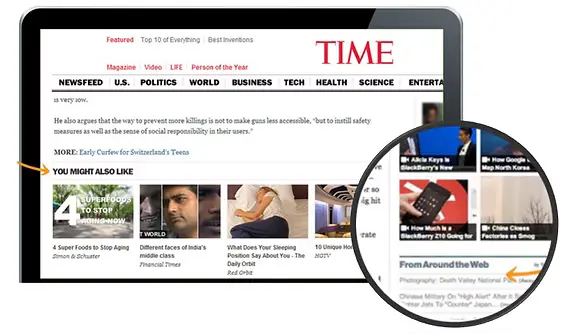
Native Advertising appears similar to the other content pieces on the news website or content site. Native Advertising is more subtle than traditional online advertisement. This may lead to increased engagement.
Why Paid Media Actually Works
The largest benefit of paid over organic is timing. With a finely detailed Google Ads campaign, you‘ll be sending traffic to your offer within hours of activating the campaign, instead of waiting for search engine results to climb.
But speed isn‘t the only thing going for it. Here‘s what makes paid media so compelling:
- Distinguished audience targeting- With this your ad can be displayed to Mumbai-based 28-35 kids who are keen on gym and have clicked on a competitor‘s website in last 30 days. This kind of precision is just not possible in the old world of advertising.
- Budget control- for here you decide. You get to decide what your daily limit is, what your campaign cap should be and much more. Whether it‘s 5,000 a month or 5 lakh, it‘s your call.
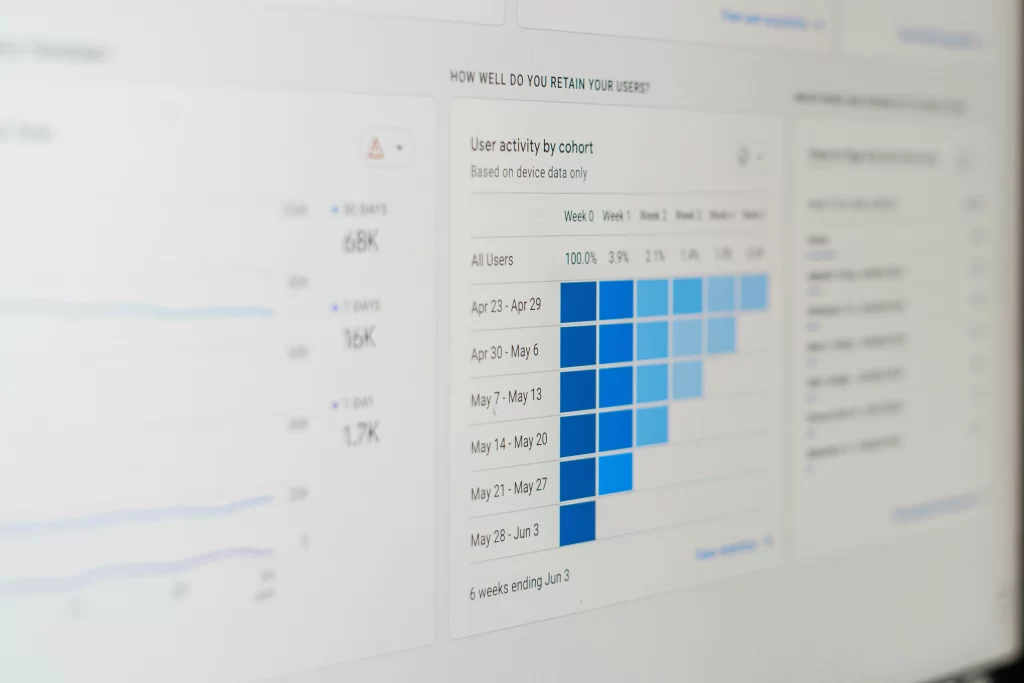
- Data and measurability change everything. Every click, every impression, every conversion and sale, every dollar. You have complete control- you know precisely which actions are working and which aren‘t, in a way that TV or print media can never provide.
- Scalability is when something is working, it gives you ability to increase your ad spend and scale the results proportionally. You are basically investing money into a system and optimizing the output.
Key Metrics You Need to Know
In order to achieve meaningful results from paid media campaigns a few key measures should be familiar to you:
- CTR (Click Through Rate): The percentage of people who saw your ad and clicked through on it. Has a high CTR indicates that your ad creative and copy is doing good.
- CPC (Cost Per Click): What do you pay for each click? Cheaper is better but not if you get worse targeting as a result.
- CPM (Cost Per Mille): Cost per 1000 impressions. Used a lot when mass campaigns have a goal of building brand awareness.
- CPA (Cost Per Acquisition): How much do we spend to make one conversion – lead, sale, subscription. Usually the most significant value for performance campaigns.
- ROAS (Return on ad spend): How much rupees/ dollar you made from spent.4X ROAS means 4 rupees or dollars made from one rupees/ dollar spent, 4 rupees or dollars gained from 1 rupees or dollars spent.
Having knowledge of these figures enables you to be more effective and help the campaigns evolve.
A Real Example of Search Engine Advertising
Search Engine Advertising (SEM) is successful because it puts brands in front of people who are actively looking for solutions. So picture how GoogleAds function. When Google users type “best running shoes for flat feet” as a search phrase, a game of instant auction is taking place. Advertisers who up for bidding on the search term enter the race and the search engine ranges the winning bid on the basis of bid price, ad relevance and Quality Score, and choose the sponsored links to display on the search engine results page (SERP).

Targeting- this is where SEM becomes its most powerful. Advertisers aren‘t simply selecting keywords; they are now honing their reach by narrowing who they show their ads to using location, device type, demographics, search travel, remarketing lists etc. So, for example, for a sportswear seller targeting mobile users in New York searching for “lightweight running shoes” while excluding irrelevant queries through negative keywords. This precision targeting reduces wasted ad spend and improves campaign performance.
The numbers reveal what‘s most important. Click-through rate (CTR) measures the power of your ad copy. Cost per click (CPC) indicates how well you‘re bidding. Conversion rate assesses how effective your landing page is at generating sales. Return on ad spend (ROAS) shows whether or not the campaign is profitable. These KPIs are what makes SEM measurable, scalable and results-driven- one reasons paid media remains among the most successful digital marketing media.
Common Mistakes Beginners Make – Paid Media Marketing Guide
Even if you have a decent budget and a solid goal in mind, paid media campaigns can still go awry if you‘re not cautious. Here are some warning signs:
Not researching first is one of the most costly mistakes highlighted in any Paid Media Marketing Guide or paid advertising handbook. Starting right away with ad campaigns without researching your target market, analyzing competitors, and identifying the right keywords is simply a fast way to lose money. A solid digital advertising blueprint or paid marketing strategy guide always emphasizes discovery, audience insights, and proper campaign planning first.
Not testing enough is another opportunity missed. Having only one ad variation is to be Flying blind. Testing headlines, visuals, CTAs, and audiences tells you what really Converts. The set and forget is how a budget is wasted. Paid campaigns have to be continually monitored and refined. What did well in week one may need focus on by week three.
Getting Started: Your First Step
If you are really committed to learning paid media marketing, the very first step is to learn the platforms. Google Skillshop and Meta Blueprint both provide free certification courses. To really master the skills like running campaigns, evaluating data, and creating a portfolio, enroll in a digital marketing course.
Paid media skills are highly-sought after; brands pay for efficient ad budgets and real return on investment. The basics are easy. What takes time is honing the judgment to make smart choices with actual money on the line. And that comes only through experience, feedback, and coaching. Beginners shouldn‘t take a lot on at once. Be interested, be inquisitive, and keep notes. That‘s the paid media attitude.
Are you ready to jump-start your careers in digital marketing? Our digital marketing course will prepare you with practical experience working on live campaigns managed with real budgets and industry experts.