

Always curious on how some online shops manage to sell hundreds of products without ever handling a single stock item? This is where drop shipping comes into place. It is undoubtedly one of the most used business models in e-commerce with little starting capital, no warehouse and taking your laptop to whatever place! But how does this business model work from when a customer orders his product until a package is home delivered? Let‘s see it step by step.
- Step 1: Setting Up Your Dropshipping Store– This is where you, the dropshipper store owner, will create your website. Novices usually utilize services such as Shopify, WooCommerce or BigCommerce, which are all produced to assist in creating a web presence without prior specialized knowledge. You pick a niche (pet accessories, home gym equipment, whatever!), build your store, put it up and start stocking it. But the big twist? You never actually buy that stock when you start up. All you‘re actually doing is advertising a supplier who already has them for sale.
- Step 2: Finding and Partnering With a Supplier– This is the backbone of any successful dropshipping business. Your supplier is the one who stores, packs, and ships your products- so choosing the right one matters enormously. For Indian Shopify store owners, popular platforms for finding suppliers include IndiaMART, Meesho, and GlowRoad- all of which offer a wide catalogue of domestic products with faster shipping times compared to international sources.
For example, a Shopify store selling minimalist phone cases might source directly from a verified supplier on IndiaMART, list their products at a marked-up price, and fulfil orders without ever stocking a single unit. If you’re open to international suppliers, AliExpress connects directly with Shopify via the DSers app, making it easy to import products straight into your store with just a few clicks.
When evaluating any supplier, look for consistent product quality, reliable dispatch timelines, and responsive communication. For Indian customers especially, faster domestic shipping- typically 3–5 days via Shiprocket or Delhivery- can make a significant difference to your store’s reviews and repeat business. A weak supplier is the fastest way to damage your reputation before it’s even built. - Step 3: A Customer Places an Order– This is where the dropshipping order fulfilment process really begins. A customer goes on your website, views some of your products and decides to buy a product – paying the price on your website. The payment is in your account and the customer receives an order confirmation just like any online shopping. At this stage the retailer has acquired the total retail price but has yet to make a payment to the supplier.
- Step 4: You Forward the Order to Your Supplier– Once the order comes in, your Shopify store automatically notifies you via the Orders dashboard. From there, you (or an automated app like Shopify’s DSers integration or AutoDS) forward the order details to your supplier and pay them the wholesale price. The difference between what the customer paid and what you pay the supplier is your profit margin. For example, if a customer pays ₹2,500 for a yoga mat through your Shopify store and your supplier charges ₹1,100, your gross profit on that single order is ₹1,400– before Shopify subscription fees, paid ad spend, and payment gateway charges through Razorpay or PayU, both of which integrate directly with Shopify for Indian merchants.
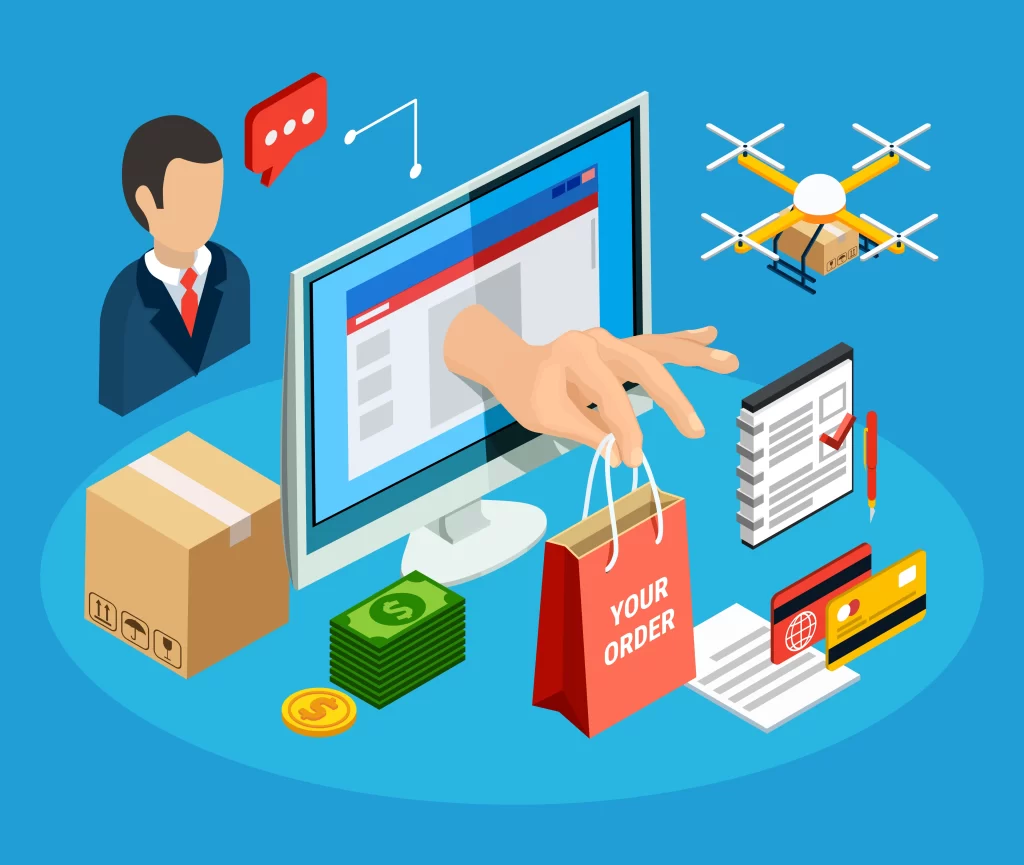
- Step 5: The Supplier Ships Directly to Your Customer– The supplier then packs and ships the order directly to your customer- usually with your store’s branding on the packaging if you’ve arranged white-label fulfilment. Your customer receives their order without ever knowing a third-party supplier was involved. This is the defining mechanic of the dropshipping fulfilment model: the retailer never handles the physical product at any stage.
- Step 6: You Handle Customer Service and Returns– Your job doesn’t end at forwarding the order. As the face of the store, you manage all customer communication- delivery queries, product questions, and returns. If something goes wrong (a delayed shipment, a damaged item), the customer contacts you, and you liaise with the supplier to resolve it. This is why customer service is a genuine skill in running a dropshipping business- your reputation depends on how smoothly you handle problems you didn’t directly cause.
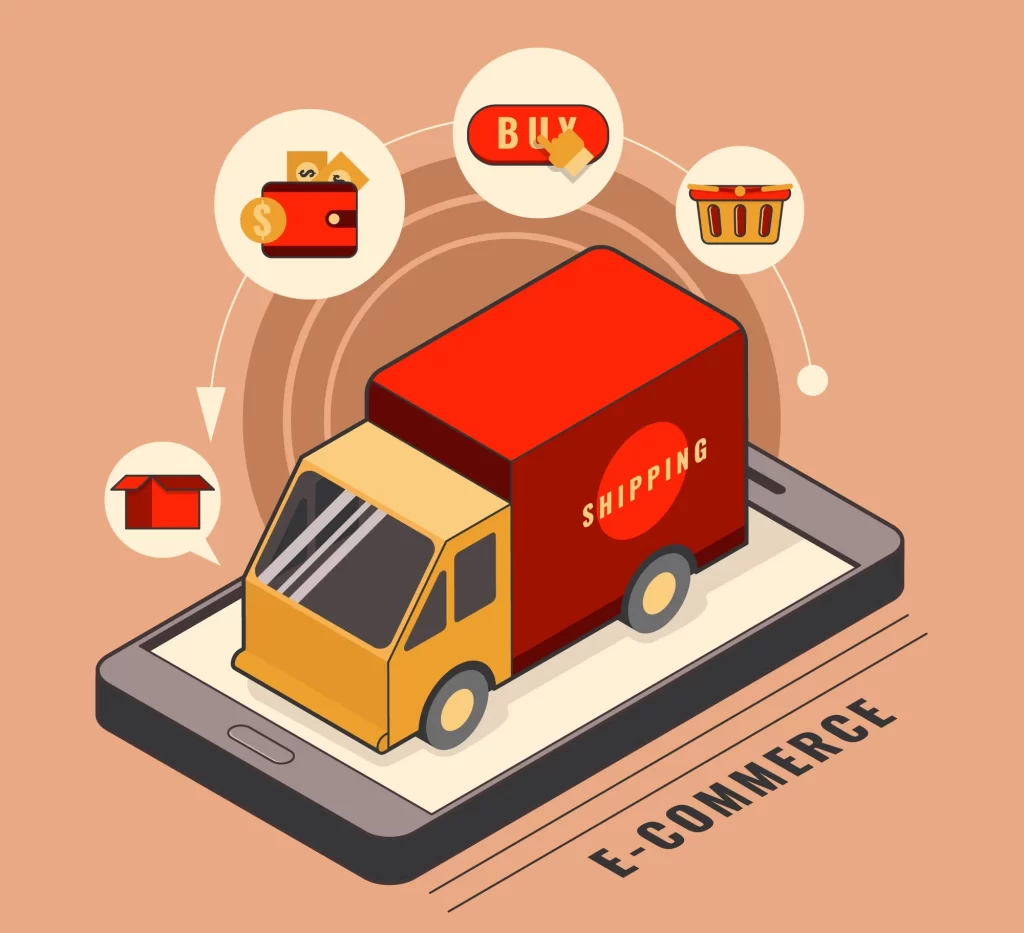
Is Dropshipping Actually Worth It?
Done well, dropshipping is a legitimate and profitable business model. The margins are thinner than traditional retail, and competition can be fierce- but the low barrier to entry makes it one of the most accessible ways to start an online retail business from scratch. Successful dropshippers typically win on niche selection, strong supplier relationships, smart paid advertising, and excellent customer experience- not just on finding a cheap product to list.
Conclusion- A Simple Model With Real Potential
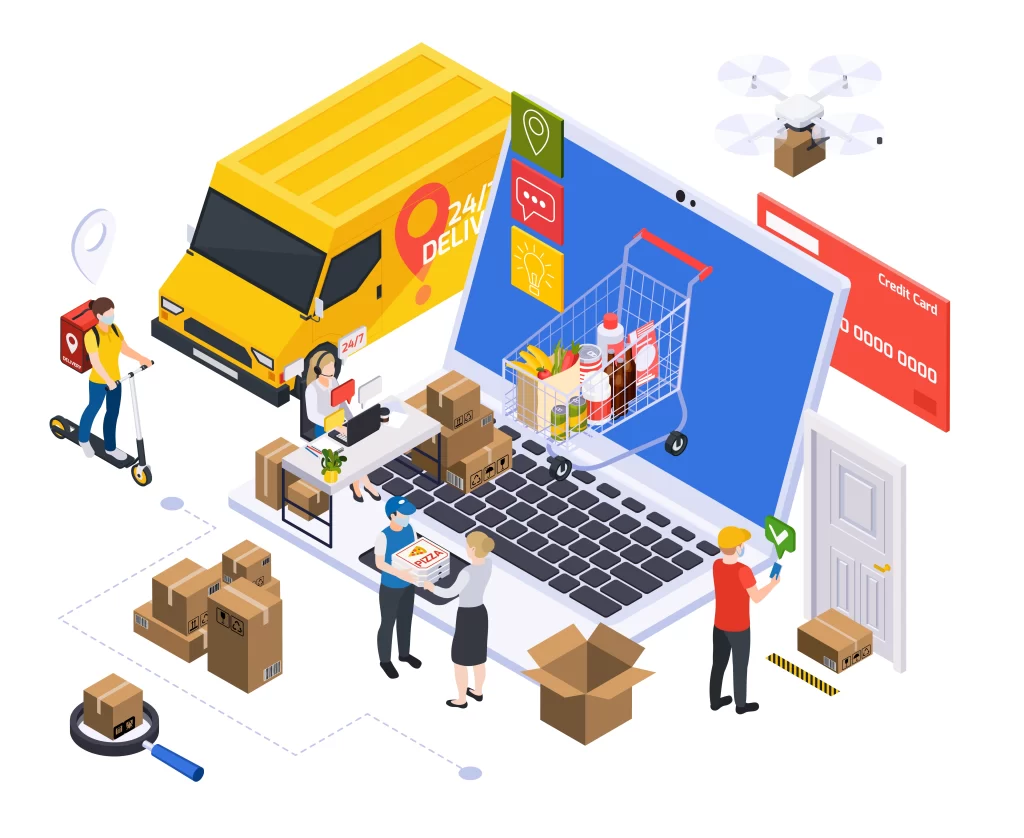
The dropshipping process itself is straightforward: you sell, your supplier ships, and you keep the margin. But building a store that customers trust and return to takes real effort, strategy, and consistency. Understanding each step- from supplier sourcing to order fulfilment- is what separates the stores that thrive from the ones that don’t.