
Introduction
You’ve got a great product, a solid brand, and a marketing budget ready to go. But if your ad ends up in front of the wrong people, at the wrong time, on the wrong platform- that budget disappears without a trace. That’s exactly why media buying and planning exists. It’s the strategic backbone of every successful advertising campaign, and understanding it can be the difference between ads that convert and money that’s simply wasted.
What Is Media Planning and Buying- and Why Does It Matter?
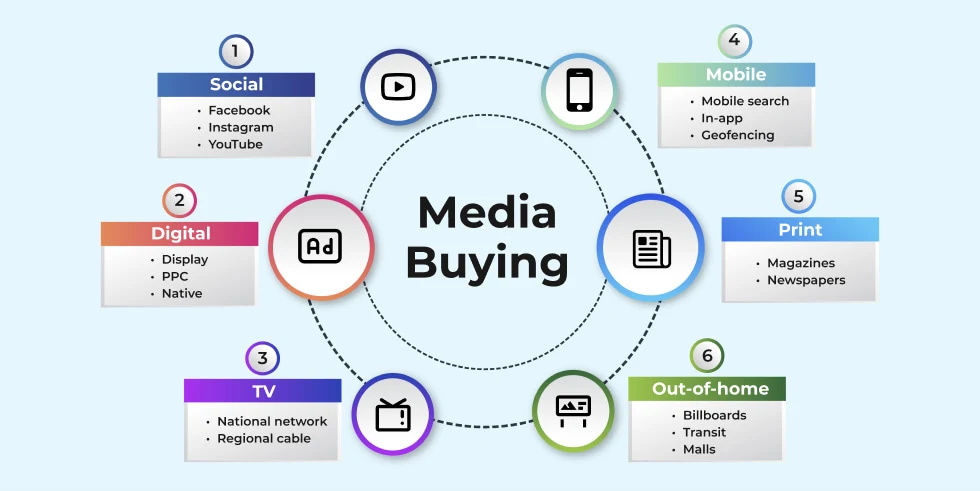
Media planning and buying are two distinct but deeply connected disciplines. Media planning is the strategy- deciding where, when, and how often your ads should appear to reach your target audience most effectively. Media buying is the execution- actually securing that ad space, whether through direct deals or programmatic platforms.

Think of it this way: if advertising is the message, media buying and planning is the delivery system that ensures it reaches the right doorstep.
The importance of media planning becomes clear when you consider scale. A brand like Coca-Cola doesn’t randomly choose to run a TV ad during the Super Bowl- that decision is backed by audience data, viewing figures, and a precise understanding of where their customers’ attention sits at that moment.
The Importance of Media Planning in Any Advertising Campaign
Strong advertising and media planning starts long before a single ad goes live. It begins with three fundamental questions:
- What does it cost to reach them there?
- Who is your audience?
- Where do they spend their time?
A children’s toy brand, for instance, would prioritise YouTube pre-rolls and weekend morning TV slots- not LinkedIn or late-night radio. Getting this right is the entire importance of media planning in a nutshell: putting your message where your audience already is, rather than hoping they stumble across it.
Good media planning also considers reach (how many people see your ad), frequency (how often they see it), and timing- factors that collectively determine whether a campaign builds genuine brand awareness or fades into the background.
Digital Media Planning- Where Modern Campaigns Are Won
The rise of digital media planning has transformed how brands approach advertising entirely. Unlike traditional channels, digital platforms offer real-time data, precise audience targeting, and the ability to adjust campaigns mid-flight based on performance.
Digital media planning today spans:
- Video Advertising– pre-roll and mid-roll ads on YouTube or Connected TV platforms
- Paid Search (PPC)– Google Ads targeting users actively searching for your product
- Programmatic Display– automated ad buying that places banners across thousands of websites based on user behaviour
- Social Media Advertising– targeted campaigns on Meta, Instagram, LinkedIn, or TikTok
For example, an e-commerce fashion brand might allocate 40% of their budget to Meta ads targeting women aged 18–34, 30% to Google Shopping campaigns, and 30% to YouTube video ads- all coordinated through a single digital media planning strategy to maximise coverage without overlap.
How Media Buying Works in Practice
Once the plan is set, media buying takes over. There are two primary approaches:
- Direct Buying– negotiating directly with publishers or platforms to secure ad space at an agreed rate. A local business might buy a quarter-page ad in a regional newspaper or sponsor a segment on a local radio station this way.
- Programmatic Buying- using automated technology to bid for ad impressions in real time. When you visit a website and see a banner ad that seems oddly relevant to something you searched yesterday- that’s programmatic media buying and planning at work.
Programmatic has become the dominant method in advertising and media planning because of its efficiency, targeting precision, and scalability. Platforms like Google’s Display & Video 360 or The Trade Desk allow buyers to reach highly specific audiences across millions of websites simultaneously.
Measuring Success- The Final Step in Media Planning and Buying
No media buying and planning strategy is complete without measurement. Key metrics include impressions, click-through rates (CTR), cost per acquisition (CPA), and return on ad spend (ROAS). These numbers tell you not just whether people saw your ad- but whether it actually drove action.
Regular performance reviews allow planners to reallocate budget toward what’s working and cut what isn’t- a continuous process of refinement that separates average campaigns from exceptional ones.
Conclusion
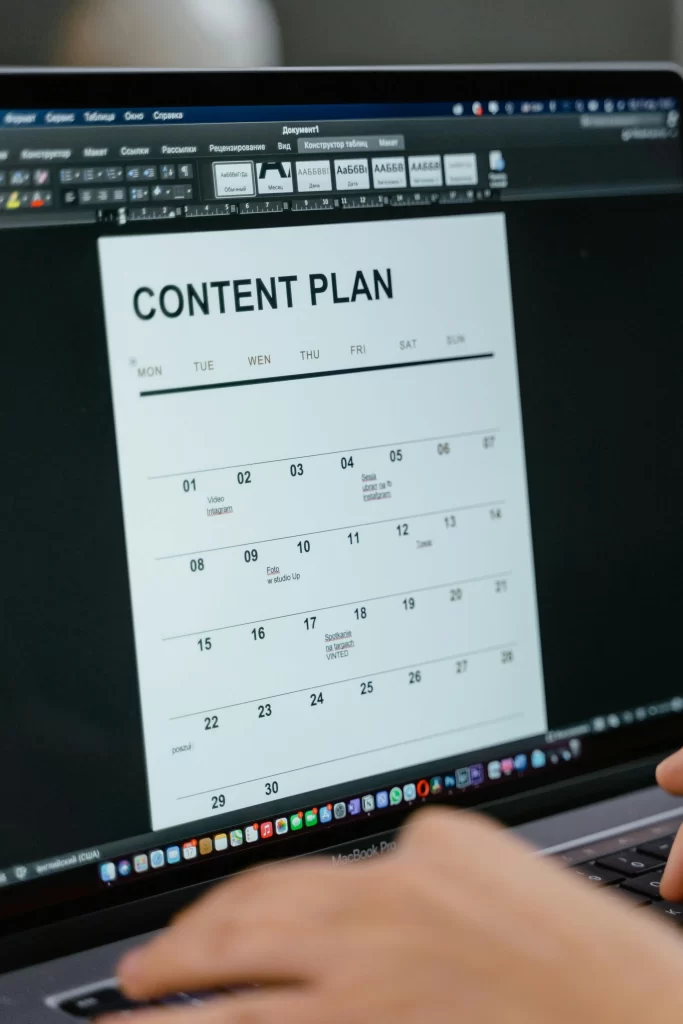
At its core, media buying and planning is about making smart, data-driven decisions about where your advertising budget goes. From understanding the importance of media planning to executing precise digital media planning strategies, every step plays a role in campaign success. Get the plan right, and the results follow.